Matcha Eroica · Intensity Held in Balance
Marzipan · Buttered Greens · Creamy Umami
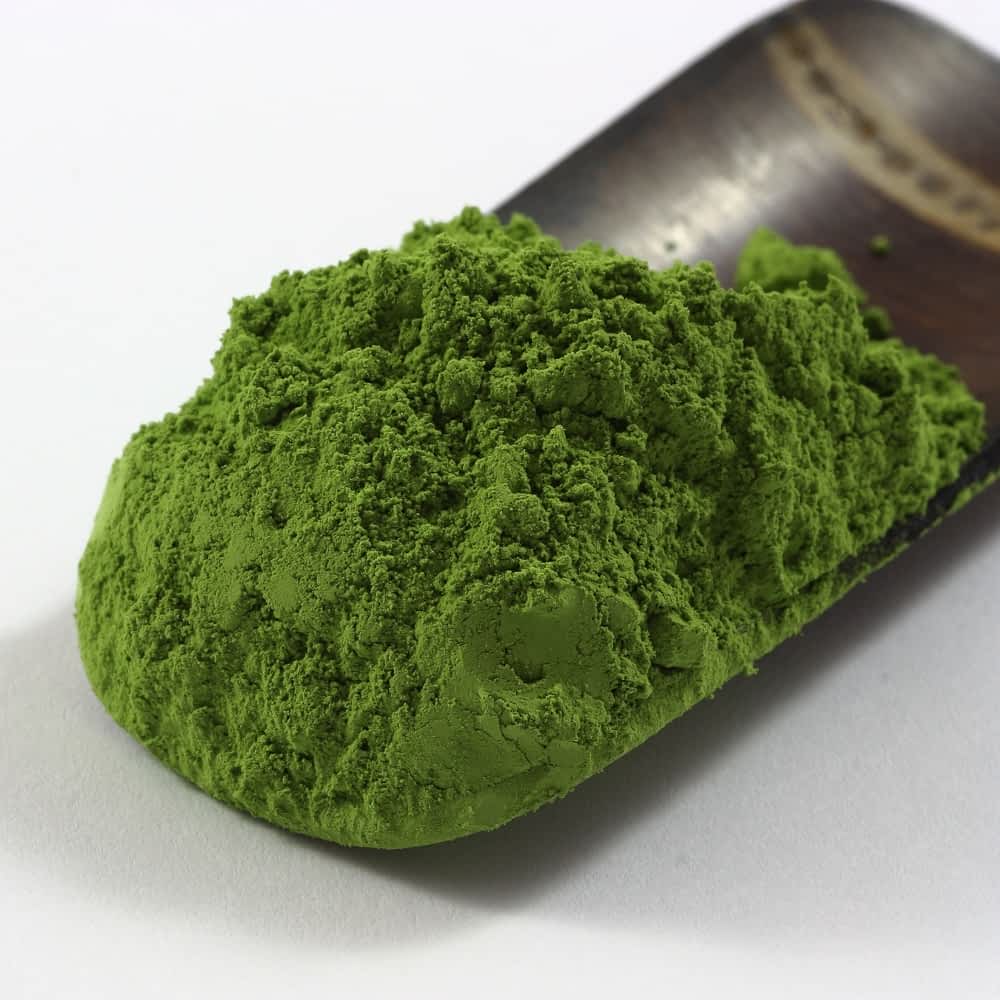
Matcha Eroica is a single-plot Uji Matcha selected principally for Koicha, the concentrated traditional preparation made with a high proportion of Matcha and very little water.
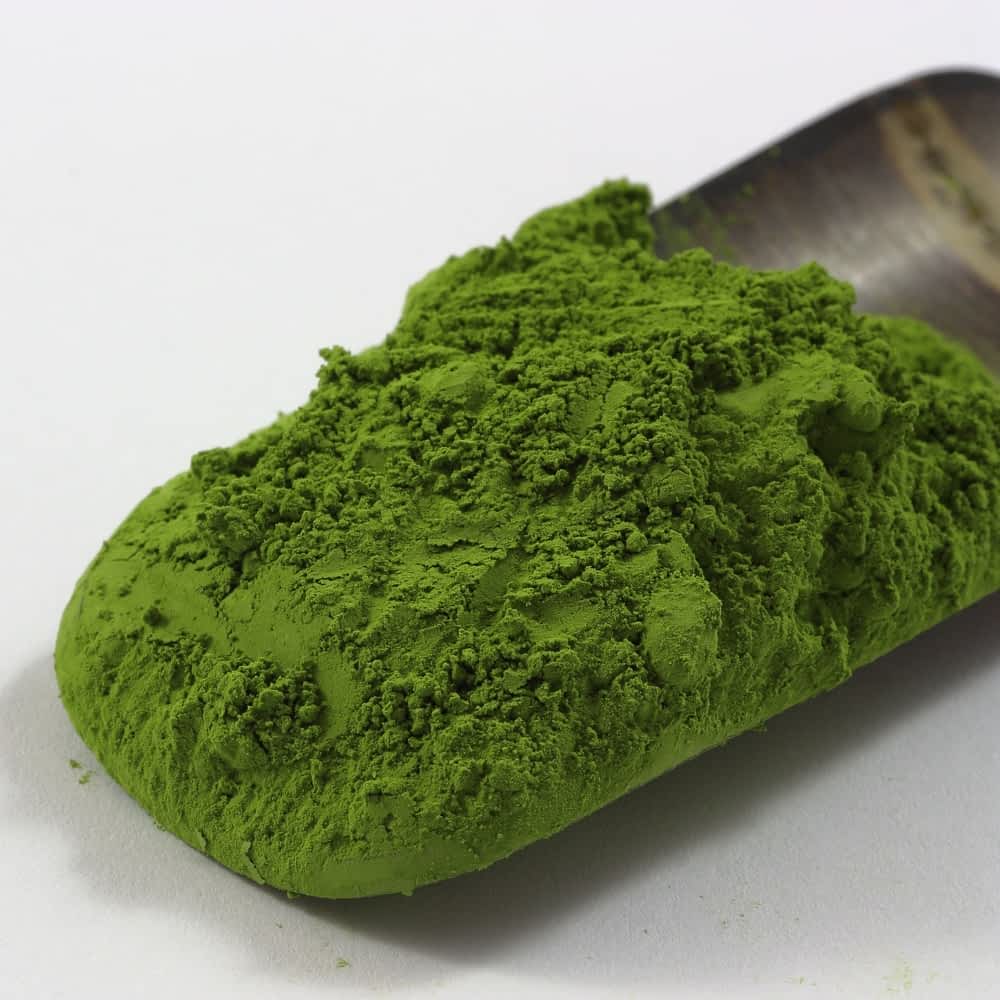
Full-bodied and deeply expressive, Eroica combines very pronounced creamy umami with marzipan, almond milk, avocado and buttered-green notes. When prepared as Koicha, its texture becomes dense, velvety, coating and syrupy while retaining no perceived bitterness or astringency.
Made exclusively from the Narino cultivar, Eroica is intended first for experienced pure-Matcha drinkers looking for concentration, texture and aromatic persistence rather than versatility with milk or in recipes.
Best For
Choose Matcha Eroica when you want to experience Matcha primarily as Koicha. Its full body, very pronounced creamy umami and dense texture remain balanced at high concentration without perceived bitterness or astringency. If milk, cold preparation or everyday versatility is your priority, another Matcha in the Tea Repertoire collection will be a better fit.
From the Tea Garden
Tea Repertoire Sensory Profile
Nutty · Vegetal · Creamy Umami
Marzipan · Buttered Greens · Creamy Umami
Matcha Eroica opens with a delicately sweet and nutty aromatic impression, led by marzipan and almond milk. Avocado follows on the palate before moving into buttered steamed greens and very pronounced, creamy umami.
The body is full and the texture creamy. Sweetness sits between moderate and pronounced, while Tea Repertoire's tasting evaluation finds no perceived bitterness and no perceived astringency.
The finish is exceptionally persistent, returning to creamy nutty notes, lingering sweetness and an almond-dessert character reminiscent of calisson.
At Koicha concentration: Eroica becomes dense, creamy, velvety, coating and syrupy while retaining its absence of perceived bitterness and astringency.
Why We Selected Matcha Eroica
Intensity Held in Balance
We selected Eroica for the way its very pronounced umami and aromatic expression unfold together without one overwhelming the other.
The cup is rich and concentrated, yet its power remains composed: marzipan and almond milk lead towards buttered greens and creamy umami before resolving into a long, sweet, nutty and calisson-like finish.
That combination of intensity, complexity and balance reminded us of Beethoven's Symphony No. 3, Eroica — the inspiration behind the name.
Origin & Craftsmanship
Matcha Eroica comes from a single plot within a Matcha garden in Uji, Kyoto Prefecture. Tea Repertoire has visited the producer directly, whose identity we keep confidential.
Production facts and tasting observations are deliberately kept separate: Narino, harvest, shading, tencha processing and stone milling describe how Eroica is produced; its marzipan, buttered-green and creamy-umami character describes how Tea Repertoire experiences the finished Matcha in the cup.
Single Plot · Uji
The tea used for Matcha Eroica comes from one specific plot within a single garden in Uji, Kyoto Prefecture, and qualifies as Uji Matcha.
First Harvest · May
Eroica uses only first-harvest tea, known as Ichibancha, harvested in May. No later-harvest material is included.
Four Weeks of Tana Shading
The tea plants are shaded for four weeks using the tana method before harvest. We treat this as production information rather than attributing any individual flavour directly to the shading method.
Tencha · Stone-Milled in Uji
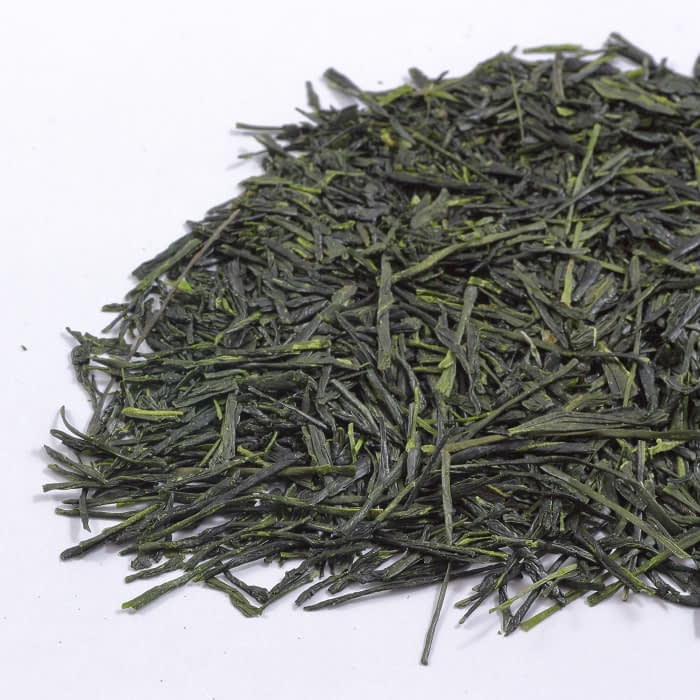
The harvested leaves are processed as tencha before being traditionally stone-milled in Uji into the fine powder used for Matcha Eroica.
100% Narino · Single Cultivar
Recognition: Matcha Eroica received 1 Star at the Great Taste Awards in 2019. This recognition remains secondary to how we recommend selecting the Matcha: according to its origin, sensory profile and intended preparation.
How to Prepare Matcha Eroica
Koicha
- Pre-warm the Chawan, dry it, then sift 4 g of Matcha Eroica into the bowl.
- Add 30 ml of water at 75–80°C.
- Using a Chasen, slowly knead and combine the Matcha with the water rather than whisking rapidly.
- Continue until the mixture becomes smooth, dense, glossy and evenly integrated.
- Drink directly from the Chawan.
What to expect: dense, creamy, velvety, coating and syrupy texture with very pronounced creamy umami, no perceived bitterness and no perceived astringency.
Usucha
- Pre-warm the Chawan, dry it, then sift 2 g of Matcha Eroica into the bowl.
- Add 60 ml of water at 80°C.
- Whisk briskly with a Chasen until the Matcha is evenly dispersed and develops a fine foam.
- Drink immediately.
Why prepare it this way? Usucha gives Eroica a lighter expression, making its marzipan, almond-milk and buttered-green character easier to distinguish while retaining its creamy umami.
Koicha is not simply Usucha with extra Matcha. It uses substantially less water and a different technique: the Matcha is slowly kneaded into a dense preparation rather than rapidly whisked into foam.
Understand Koicha, Usucha & Matcha Quality →How We Think About Matcha Quality
Choose Matcha by Preparation, Not Simply by a Grade Label
Japan does not have one universal official grading system that formally defines every Matcha as “ceremonial”, “premium” or another marketing grade.
At Tea Repertoire, we therefore prefer to explain Matcha through origin, cultivar, harvest, cultivation, craftsmanship, sensory character and intended preparation.
Matcha Eroica is a first-harvest, single-plot Uji Matcha made from 100% Narino, shaded for four weeks using tana and traditionally stone-milled in Uji. More importantly for choosing it correctly, it is one of our Matcha selected specifically for the concentrated preparation of Koicha.
That does not make Eroica automatically a better choice than a Matcha intended for Usucha, latte or everyday use. It makes it a different choice for a different drinking experience.
Read the Matcha Grades & Quality Guide →Which Matcha Should You Choose?
The right Matcha depends first on how you want to drink it. Eroica is deliberately specialised rather than designed to perform equally across every preparation.
Matcha Eroica · Koicha
Choose Eroica when you specifically want Koicha with full body, very pronounced creamy umami, dense texture and no perceived bitterness or astringency.
Current product · Our specialised Koicha recommendation.Matcha Bliss · Usucha
Choose Matcha Bliss when your priority is elegant, balanced Usucha with moderate marine umami, creamy smooth texture, very low astringency and a refreshing character.
Explore Matcha Bliss →Matcha Delight
Choose Matcha Delight when you want one accessible Uji House Matcha for everyday latte, baking, iced drinks, cold Matcha and occasional Usucha.
Explore Matcha Delight →Matcha Latte Supreme
Choose Matcha Latte Supreme when Matcha Latte is your principal preparation and you want a Matcha selected specifically to remain expressive alongside milk.
Explore Matcha Latte Supreme →Tea Repertoire principle: Eroica, Bliss, Delight and Matcha Latte Supreme do not form a simple quality ladder. Each is selected for a different preparation, sensory experience and customer preference.
Continue Your Matcha Journey
Explore Tea Repertoire Academy to understand how preparation, cultivation and sensory evaluation can help you choose and prepare Matcha more precisely.
Matcha Grades & Quality Guide
Understand why preparation is more useful than relying only on broad terms such as ceremonial or premium Matcha.
Read the Guide →The Ultimate Guide to Matcha
Explore Matcha cultivation, processing, preparation, traditional Usucha and Koicha, and the tools used to prepare it.
Explore the Ultimate Matcha Guide →Complete Your Matcha Ritual
Koicha and Usucha use the same traditional Matcha tools but require different movements. A suitable Chawan, bamboo Chasen and Chashaku make preparation more controlled and consistent.
Bamboo Whisk · Chasen
For Koicha, use the Chasen to slowly knead Matcha and water together rather than whisking rapidly into foam. For Usucha, the same whisk is used more briskly.
Explore the Bamboo Chasen →Matcha Bowl · Chawan
A Chawan gives enough space to control both the slow kneading motion of Koicha and the faster whisking movement used for Usucha.
Explore Matcha Bowls →Bamboo Scoop · Chashaku
A traditional bamboo scoop helps handle Matcha before sifting and preparation. For Eroica, weighing the powder remains the most accurate way to reproduce the 4 g Koicha recipe.
Explore the Bamboo Chashaku →Matcha Eroica FAQ
Quick answers about Matcha Eroica, its origin, Narino cultivar, sensory profile and why we recommend it primarily for Koicha.
What is Matcha Eroica?
Matcha Eroica is a single-plot Uji Matcha from Uji, Kyoto Prefecture, produced exclusively from the Narino cultivar. It uses first-harvest tea, is shaded for four weeks using tana, processed as tencha and traditionally stone-milled in Uji.
Why is Matcha Eroica particularly suited to Koicha?
Tea Repertoire recommends Eroica for Koicha because of how it performs sensorially at high concentration. At 4 g of Matcha to 30 ml of water, it develops a dense, creamy, velvety, coating and syrupy texture with very pronounced creamy umami and no perceived bitterness or astringency.
How do I prepare Matcha Eroica as Koicha?
Sift 4 g of Matcha Eroica into a pre-warmed Chawan, add 30 ml of water at 75–80°C and slowly knead the Matcha with a bamboo Chasen until the preparation becomes smooth, dense, glossy and evenly integrated. Unlike Usucha, Koicha is not rapidly whisked to create foam.
Can Matcha Eroica also be prepared as Usucha?
Yes. We rate Eroica ★★★★☆ for Usucha. Use 2 g of Matcha with 60 ml of water at 80°C and whisk until evenly dispersed with a fine foam. Usucha creates a lighter expression of Eroica's marzipan, almond-milk, buttered-green and creamy-umami profile.
What does Matcha Eroica taste like?
Tea Repertoire's sensory profile centres on marzipan, almond milk, avocado, buttered greens and very pronounced creamy umami. It has a full body, moderate-to-pronounced sweetness, no perceived bitterness or astringency and a very long creamy, nutty and calisson-like finish.
What cultivar is Matcha Eroica made from?
Matcha Eroica is a single-cultivar Matcha made from 100% Narino. We keep cultivar information separate from our sensory evaluation and do not claim that Narino alone causes Eroica's individual flavour notes.
Where does Matcha Eroica come from?
The tea is grown in Uji, Kyoto Prefecture, Japan, on one specific plot within a single Matcha garden. Eroica qualifies as Uji Matcha.
Is Matcha Eroica first harvest?
Yes. Matcha Eroica is produced exclusively from first-harvest, or Ichibancha, tea picked in May. No later-harvest material is included.
How is Matcha Eroica shaded?
The tea plants used for Matcha Eroica are shaded for four weeks using the tana method before harvest.
Is Matcha Eroica stone-milled?
Yes. The tea is processed as tencha and then traditionally stone-milled in Uji.
Is Matcha Eroica good for Matcha Latte?
We do not recommend Eroica primarily for Matcha Latte. Its role in the Tea Repertoire collection is concentrated pure Matcha, particularly Koicha. For milk-based preparations, explore Matcha Latte Supreme, which is selected specifically to remain expressive alongside milk.
Should I choose Matcha Eroica or Matcha Bliss?
Choose Eroica when you want a full-bodied, very umami-rich, concentrated Matcha experience centred on Koicha. Choose Matcha Bliss when you prefer elegant, balanced pure Matcha primarily prepared as Usucha. Neither is positioned as universally superior; they are selected for different drinking experiences.
Is Matcha Eroica ceremonial grade or Koicha grade?
Tea Repertoire does not rely on “ceremonial grade” or “Koicha grade” as universal official quality classifications. Instead, we explain Matcha through its origin, production, sensory profile and preparation suitability. Eroica is a Uji Matcha that we specifically recommend for Koicha. You can learn more in our Matcha Grades & Quality Guide.