

Matcha Delight · Our Versatile Everyday Uji Matcha
Walnut · Watercress · Marine Umami
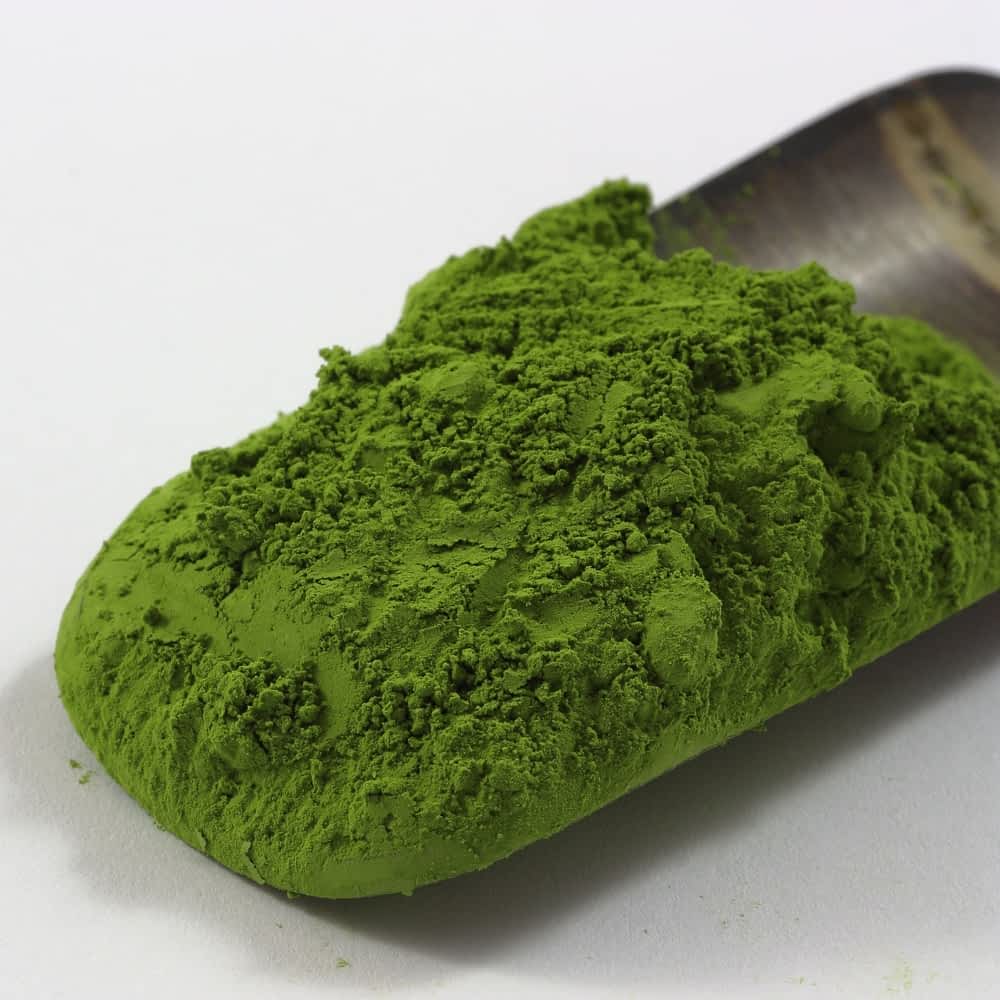
Matcha Delight is our House Matcha: an accessible first-harvest Uji Matcha made from tea grown in Wazuka, Kyoto Prefecture and selected for smoothness, versatility and frequent everyday use.
Its Yabukita-led blend brings together walnut, almond and fresh watercress notes with moderate marine umami, a creamy, smooth texture and a full body. Very low bitterness and low astringency make Matcha Delight easy to enjoy across everyday Matcha Latte, iced preparations, cold Matcha and baking.
Rather than being selected primarily for refined Usucha or Koicha, Matcha Delight earns its place in our collection by being a matcha you can reach for regularly and use generously across different preparations.
Best For
Choose Matcha Delight when you want one versatile Uji Matcha for frequent everyday use. We particularly recommend it for an everyday Matcha Latte and baking, while cold Matcha and Iced Matcha Latte are excellent alternatives. Its combination of smoothness, versatility and quality-to-price relationship is precisely why it remains our House Matcha.
From the Tea Garden
Tea Repertoire Sensory Profile
Nutty · Vegetal · Umami
Walnut · Watercress · Marine Umami
Matcha Delight opens with a sweet-nut aromatic impression alongside fresh watercress and almond. In the cup, walnut becomes the central nutty note, joined by almond, watercress and a moderate marine umami.
The texture is creamy and smooth with a full body. Sweetness remains low, bitterness is very low and astringency is low, leading into a sustained nutty finish.
Sensory note: the sweet impression appears primarily in the aroma. On the palate, sweetness itself is low. Matcha Delight is defined more by smoothness, nutty character and balance than by pronounced sweetness or intense umami.
Why We Selected Matcha Delight
Our House Matcha Should Be a Matcha You Can Actually Use Every Day
Not every matcha in our collection needs to fulfil the same role. Some are selected principally for focused Usucha or highly individual sensory expression. Matcha Delight serves a different purpose.
We selected it as our House Matcha because it combines an accessible Uji Matcha origin with first-harvest tea, a smooth full-bodied profile and enough versatility to move easily between Matcha Latte, cold Matcha, iced drinks and baking.
Its very low bitterness also makes it an approachable starting point for customers discovering Matcha, while its practicality makes it equally useful for experienced Matcha drinkers who want a dependable everyday option.
Matcha Delight's strength is not that it tries to imitate a more specialised Matcha. Its strength is being easy, smooth and versatile at a compelling quality-to-price relationship.
Origin & Craftsmanship
Matcha Delight is made from first-harvest tea grown across multiple plots in Wazuka, Kyoto Prefecture. The producer specialises in Matcha, and the finished tea is produced as tencha before being stone-milled in Kyoto Prefecture.
Wazuka · Uji Matcha
The tea leaves are physically grown in Wazuka, Kyoto Prefecture. Matcha Delight is appropriately designated as Uji Matcha without implying that the tea plants are grown in Uji city itself.
First Harvest & Shade-Grown
Matcha Delight uses first-harvest tea and is shade-grown before harvest. We do not specify a shading duration or covering method because these details have not been confirmed for this Matcha.
Tencha Production
The harvested tea is processed into tencha, the tea material subsequently used for Matcha production.
Stone-Milled in Kyoto
The finished tencha is stone-milled in Kyoto Prefecture into the fine powder used for Matcha Delight.
A Yabukita-Led Blend
Origin, cultivar composition, harvest, shading, tencha production and milling are factual production information. The sensory profile described on this page is our tasting observation of Matcha Delight rather than a claim that one production factor directly causes a particular flavour.
How to Prepare Matcha Delight
Everyday Matcha Latte
- Sift 2.5–3 g of Matcha Delight into a bowl.
- Add 50 ml of water at 75–80°C.
- Whisk until smooth and evenly dispersed.
- Add 150–200 ml of warm milk.
- Stir gently and serve.
Use closer to 150 ml of milk for a more Matcha-forward cup or move towards 200 ml for a softer everyday latte.
Iced Matcha Latte
- Sift 2.5–3 g of Matcha Delight into a bowl.
- Whisk first with a small portion of water at approximately 75–80°C.
- Add the remaining water so the total water quantity reaches 100–150 ml.
- Fill a glass with ice.
- Add 50–100 ml of milk.
- Pour in the prepared Matcha and stir before drinking.
Cold Matcha with Water
- Add 1.5–2 g of Matcha Delight to a suitable container.
- Add 150–200 ml of cold water.
- Whisk or shake thoroughly until evenly dispersed.
- Serve chilled or over ice.
Usucha
- Sift 1.5–2 g of Matcha Delight into a Chawan.
- Add 60–80 ml of water at 75–80°C.
- Whisk briskly with a Chasen until evenly dispersed with a fine foam.
- Drink immediately.
Matcha Delight can be enjoyed as Usucha, but it is not primarily selected as a refined pure-drinking Matcha and is not recommended for Koicha.
Baking & desserts · ★★★★★: Matcha Delight is one of our preferred Matcha for cakes, biscuits, tiramisu, creams and other Matcha desserts. The quantity should be adjusted to the individual recipe and desired Matcha intensity rather than following one universal dosage.
Which Milk Works Best?
Matcha Delight is particularly well suited to an everyday Matcha Latte. Milk choice changes body, sweetness and the balance of the finished drink, so we recommend choosing according to the style you enjoy.
Dairy Milk
A strong everyday choice when you want a rounded, full-bodied Matcha Latte while keeping Matcha Delight's smooth character present.
Oat Milk
Oat milk works particularly well for a smooth, approachable everyday latte and remains one of our preferred plant-based pairings for Matcha Delight.
Soy Milk
Soy milk provides good body and is a useful alternative when you want a plant-based Matcha Latte with a little more structure.
Coconut Milk
Coconut milk can also be used, although its own flavour is more assertive and changes the balance of the finished Matcha Latte more noticeably.
For Matcha Delight, we recommend starting with dairy or oat milk. Use approximately 150 ml for a more Matcha-forward everyday latte or increase towards 200 ml for a softer milk-forward preparation.
How We Think About Matcha Quality
Choose Matcha by Preparation, Not Simply by a Grade Label
Japan does not have one universal official grading system that formally classifies every Matcha as “ceremonial”, “premium” or another marketing grade.
At Tea Repertoire, we therefore prefer to explain Matcha through its origin, cultivar, harvest, cultivation, craftsmanship, sensory character and intended preparation.
Matcha Delight is a first-harvest, shade-grown, stone-milled Uji Matcha from Wazuka with a Yabukita-led blend. It can be enjoyed with water, but its strongest role in our collection is as a versatile everyday Matcha for Matcha Latte, cold preparations and baking rather than as a specialised Matcha for Koicha.
Understand Matcha Grades & Quality →Which Everyday Matcha Should You Choose?
Matcha Delight, Matcha Evergreen BIO and Matcha Latte Supreme can all work in everyday milk-based preparations, but they fulfil different roles. Choose according to how broadly you want to use your Matcha and which qualities matter most to you.
Matcha Delight
Choose Matcha Delight when you want one accessible Uji House Matcha for everyday Matcha Latte, baking, iced drinks, cold Matcha and occasional Usucha. Its profile is smooth, full-bodied and nutty, with very low bitterness.
Current product · Best fit for broad everyday versatility.Matcha Evergreen BIO
Choose Evergreen BIO when JAS Organic certification is important to you and you prefer a lighter, gentler everyday Matcha with raw-almond, walnut-skin and fresh vegetal character.
Explore Matcha Evergreen BIO →Matcha Latte Supreme
Choose Matcha Latte Supreme when Matcha Latte is specifically your main preparation and you want a Matcha selected principally around performance with milk, rather than the wider all-round versatility of Matcha Delight.
Explore Matcha Latte Supreme →Tea Repertoire principle: this is not a simple quality ladder. Matcha Delight, Evergreen BIO and Matcha Latte Supreme are selected for different priorities. The right choice depends on preparation, sensory preference, certification requirements and how frequently you intend to use your Matcha.
Continue Your Matcha Journey
Explore Tea Repertoire Academy to understand Matcha quality, preparation and how to choose the Matcha that best fits the way you actually drink it.
Matcha Grades & Quality Guide
Learn why origin, sensory character and intended preparation are more useful ways to understand Matcha than relying on vague grade labels.
Read the Matcha Grades Guide →The Ultimate Guide to Matcha
Explore Matcha cultivation, production, preparation, tools and tasting in our broader introduction to Japanese Matcha.
Explore the Ultimate Guide to Matcha →The Ultimate Matcha Latte Guide
Learn how Matcha choice, water, milk and ratios influence the balance and intensity of an everyday or more Matcha-forward latte.
Explore the Matcha Latte Guide →Complete Your Matcha Ritual
Traditional Matcha utensils help disperse the powder evenly and make water-based preparations and Matcha Latte bases easier to prepare consistently.
Bamboo Whisk · Chasen
A traditional bamboo whisk helps disperse Matcha Delight evenly in water and create a smooth, well-integrated base before drinking or adding milk.
Explore the Bamboo Chasen →Bamboo Scoop · Chashaku
A traditional bamboo scoop is useful for measuring and handling Matcha before sifting and whisking.
Explore the Bamboo Chashaku →Matcha Bowl · Chawan
A sufficiently wide Matcha bowl gives the Chasen enough space to whisk the powder smoothly before serving it with water or combining it with milk.
Explore Matcha Bowls →Frequently Asked Questions
Find quick answers about Matcha Delight, its origin, sensory profile and the preparations we recommend most.
What is Matcha Delight?
Matcha Delight is Tea Repertoire's House Matcha: a first-harvest Uji Matcha produced from tea grown across multiple plots in Wazuka, Kyoto Prefecture. It is a blend composed of 90% Yabukita, processed as tencha and stone-milled in Kyoto Prefecture.
Why is Matcha Delight called a House Matcha?
“House Matcha” describes its role rather than a quality grade. Matcha Delight is the versatile Matcha we recommend when you want one accessible Uji Matcha for frequent everyday use across Matcha Latte, baking, iced drinks, cold Matcha and occasional Usucha.
Is Matcha Delight an Uji Matcha if the tea is grown in Wazuka?
Yes. Matcha Delight is appropriately designated as Uji Matcha. The tea plants themselves are physically grown in Wazuka, Kyoto Prefecture, rather than in Uji city.
What cultivar is Matcha Delight made from?
Matcha Delight is a blend composed of 90% Yabukita. We describe its flavour separately from the cultivar information and do not assume that a particular tasting note is caused by Yabukita alone.
What does Matcha Delight taste like?
Our tasting profile centres on walnut, almond and watercress, accompanied by moderate marine umami. The texture is creamy and smooth with a full body, low sweetness, very low bitterness, low astringency and a sustained nutty finish.
Is Matcha Delight good for Matcha Latte?
Yes. Everyday Matcha Latte is one of our primary recommendations for Matcha Delight. Use 2.5–3 g Matcha, 50 ml water at 75–80°C and approximately 150–200 ml milk.
Can I drink Matcha Delight pure with water?
Yes. We rate Matcha Delight ★★★☆☆ for Usucha and ★★★★☆ for cold Matcha with water. For Usucha, use 1.5–2 g with 60–80 ml water at 75–80°C. For a refreshing cold preparation, use 1.5–2 g with 150–200 ml cold water.
Is Matcha Delight suitable for Koicha?
No. Matcha Delight is not one of our recommended Matcha for Koicha. Its role in our collection is primarily everyday versatility rather than very concentrated thick-Matcha preparation.
Can I use Matcha Delight for baking and desserts?
Yes. Baking and desserts are one of our strongest recommendations for Matcha Delight. It can be used for cakes, biscuits, creams, tiramisu and other Matcha recipes. Because recipes vary considerably, we recommend adapting the amount of Matcha to the specific recipe rather than applying one universal dosage.