
Matcha Uji Hana BIO · Refined Organic Uji Matcha
Nutty · Buttery · Marine Umami
Matcha Uji Hana BIO is a first-harvest JAS Organic Uji Matcha from Wazuka, Kyoto Prefecture, made exclusively from 100% Okumidori. Full-bodied and dense, it combines a distinctive nutty and buttery character with very pronounced marine umami.
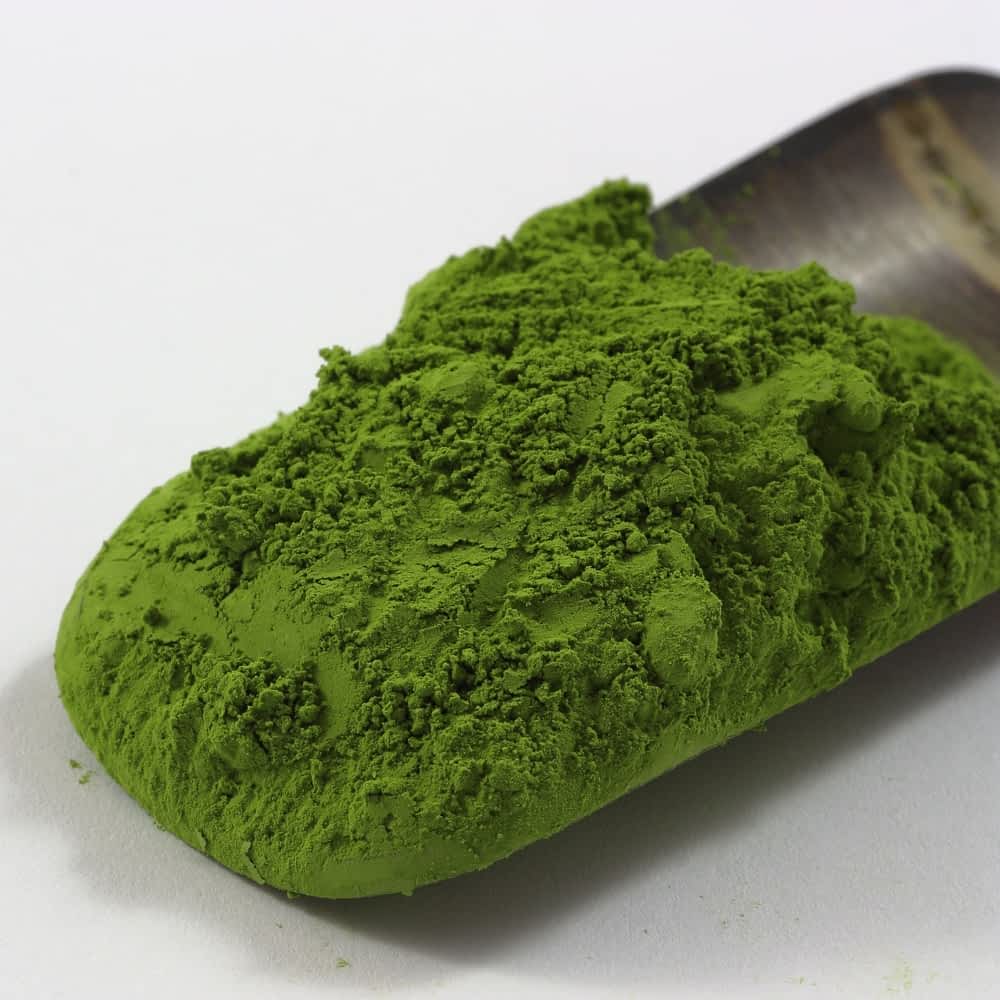
Its vivid emerald-green powder opens with delicately sweet, baked-pastry and nutty aromas. In the cup, pronounced umami develops alongside nutty and buttery notes before a persistent, refreshing vegetal character emerges in the long finish. With no perceived bitterness and very low astringency, Uji Hana is particularly expressive as both Usucha and a refined, matcha-forward latte.
Best For
Choose Matcha Uji Hana BIO when you are looking for a refined organic Uji Matcha with very pronounced umami, full body and a richer nutty-buttery expression. We recommend it equally for Usucha and a refined Matcha Latte where the quantity of milk remains deliberately restrained.
From the Tea Garden
Matcha Uji Hana BIO is grown on one specific plot in Wazuka, Kyoto Prefecture. It is produced by a fifth-generation tea producer specialising in matcha and belongs to Tea Repertoire's Uji Matcha selection.
The same producer also makes Matcha Uji Yabukita BIO, although the two matcha come from different gardens.
Tea Repertoire Sensory Profile
Full-Bodied · Dense · Very Pronounced Marine Umami
Nutty · Buttery · Marine Umami
Tea Repertoire's tasting of Uji Hana begins with a delicately sweet aroma combining baked-pastry and nutty impressions. In the cup, the profile becomes fuller and more savoury, with nutty and buttery notes developing around very pronounced marine umami.
The texture is dense and the body full, while moderate sweetness is balanced by no perceived bitterness and very low astringency. The finish is long and umami-led, with a persistent refreshing vegetal character providing contrast at the end.
Tasting direction: Uji Hana is particularly suited to drinkers who value pronounced umami and full body but want very little astringency and no perceived bitterness.
Why We Selected It
A Full-Bodied Uji Matcha Built Around Very Pronounced Marine Umami
We selected Matcha Uji Hana BIO for the clarity and depth of its sensory profile. Its combination of very pronounced marine umami, full body, moderate sweetness, no perceived bitterness and very low astringency gives it a refined yet approachable character.
Its nutty and buttery direction provides a different experience from Matcha Uji Yabukita BIO. In Tea Repertoire tastings, Uji Hana is richer, fuller, nuttier and more umami-forward, whereas Uji Yabukita offers a lighter and more vegetal expression.
Uji Hana is equally compelling when prepared pure as Usucha or with a deliberately restrained amount of milk. For a milk preparation, our preferred expression is a refined Matcha Latte with coconut milk.
Our recommendation: choose Matcha Uji Hana BIO when you want a refined organic Uji Matcha combining very pronounced umami, full body and a distinctive nutty-buttery character.
Origin & Craftsmanship
Matcha Uji Hana BIO is grown in Wazuka, Kyoto Prefecture, by a fifth-generation producer specialising in matcha. It is made exclusively from Okumidori harvested during the first spring harvest, shaded for four weeks using a tana system and certified JAS Organic.
First Harvest · May
Uji Hana is made from first-harvest leaves picked in May.
Four Weeks of Tana Shading
Before harvest, the tea plants are shaded for four weeks using a tana system.
100% Okumidori
Uji Hana is a single-cultivar matcha made exclusively from Okumidori.
Six Months of Maturation
After processing into tencha, the tea is matured for six months before the final grinding stage.
Traditional Stone Milling
The matured tencha is traditionally stone-milled by the producer in Kyoto Prefecture.
JAS Organic
Matcha Uji Hana BIO is JAS Organic certified and pesticide-free.
Two Uji Matcha from the Same Producer
Uji Hana BIO and Uji Yabukita BIO come from the same fifth-generation producer but from different gardens and different cultivars. Tea Repertoire therefore compares them through their observed sensory profiles rather than attributing those differences to cultivar or garden alone.
Tea Repertoire principle: cultivar, garden and production information help us understand a matcha, but they do not replace tasting. Our sensory descriptions are based on the expression we observe in the finished tea.
How to Prepare Matcha Uji Hana BIO
Usucha
- Sift 1.5–2 g of Matcha Uji Hana BIO into your chawan.
- Add 60–80 ml of water at approximately 70–75°C.
- Whisk briskly with a chasen until evenly suspended with a fine foam.
- Drink immediately to experience its full body and marine umami without milk.
Refined Matcha Latte
- Sift 2–2.5 g of Matcha Uji Hana BIO.
- Whisk with 150–200 ml of water at 70–75°C until smooth.
- Add approximately 50 ml of milk.
- Keep the milk deliberately restrained so the matcha remains the sensory focus.
Cold Matcha with Water
- Sift 1.5–2 g of matcha.
- Add 150–200 ml of cold water.
- Whisk or shake until evenly suspended.
- Serve immediately, with ice if desired.
Iced Matcha Latte
- Sift 2.5–3 g of Matcha Uji Hana BIO.
- Whisk until smooth with 100–150 ml of cold or room-temperature water.
- Add approximately 50 ml of milk.
- Pour over ice and serve immediately.
Koicha: Tea Repertoire does not recommend Matcha Uji Hana BIO for Koicha. Its validated best expressions are Usucha, refined Matcha Latte and cold preparations.
Milk Pairing for Matcha Uji Hana BIO
Uji Hana performs particularly well in a refined Matcha Latte, but the purpose is not to turn it into a milk-forward everyday matcha. Keeping the milk quantity restrained allows its full body and pronounced umami to remain central to the drink.
Coconut Milk
Our preferred milk pairing for Matcha Uji Hana BIO is coconut milk, particularly when preparing the refined Matcha Latte with approximately 50 ml of milk.
Keep the Matcha in Focus
Whatever milk you choose, we recommend keeping the quantity deliberately restrained. Uji Hana is selected for its own sensory character rather than as a matcha designed primarily for milk-heavy everyday lattes.
Our preferred starting point: 2–2.5 g matcha, 150–200 ml water at 70–75°C and approximately 50 ml coconut milk.
How We Think About Matcha Quality
Choose Matcha by How You Want to Drink It
There is no single universal Japanese grading system that makes terms such as “ceremonial grade” sufficient to explain matcha quality. At Tea Repertoire, we look instead at origin, cultivar, harvest, shading, craftsmanship, sensory profile and, most importantly, how a matcha performs in the preparation you intend to make.
Uji Hana is a good example: we recommend it highly for Usucha and refined Matcha Latte, while we do not recommend it for Koicha or baking.
Read the Matcha Grades & Quality Guide →Which Uji Matcha Should You Choose?
Matcha Uji Hana BIO and Matcha Uji Yabukita BIO are produced by the same fifth-generation matcha specialist but come from different gardens and use different cultivars. Choose between them according to the sensory expression you prefer.
Matcha Uji Hana BIO
Choose Uji Hana for the richer expression: fuller body, more pronounced umami, greater sweetness, more nutty character and a creamier overall direction, with no perceived bitterness and very low astringency.
Current product · Particularly suited to enthusiasts seeking pronounced umami and full body.Matcha Uji Yabukita BIO
Choose Uji Yabukita when you prefer a lighter, more vegetal Uji Matcha expression. It remains full-bodied and performs very well as Usucha and with milk, while showing somewhat more bitterness and astringency than Uji Hana in Tea Repertoire tastings.
Discover Matcha Uji Yabukita BIO →Tea Repertoire principle: Uji Hana occupies the more refined position in this comparison, but that does not make it the automatic choice for every customer. Choose Uji Hana for greater richness and umami; choose Uji Yabukita for a lighter, more vegetal direction.
Continue Your Matcha Journey
Explore how origin, preparation and intended use shape the way we select and prepare matcha across the Tea Repertoire collection.
Matcha Grades & Quality Guide
Understand why matcha quality cannot be reduced to a single grade and learn how to choose according to origin, craftsmanship, sensory profile and intended preparation.
Read the Guide →The Ultimate Guide to Matcha
Explore matcha cultivation, production, preparation and tasting in our broader introduction to Japanese matcha.
Explore the Ultimate Matcha Guide →The Ultimate Matcha Latte Guide
Learn how matcha selection, water-to-milk ratio and milk choice change the final latte, including refined matcha-forward preparations such as the one we recommend for Uji Hana.
Read the Matcha Latte Guide →Complete Your Matcha Ritual
The right tools make matcha easier to prepare and help achieve a smooth, consistent suspension, particularly when preparing Uji Hana as Usucha.
Chasen
A traditional bamboo whisk used to disperse matcha evenly in water and create the fine foam associated with a well-prepared bowl of Usucha.
Discover the Chasen →Chashaku
The traditional bamboo scoop used for measuring and transferring matcha powder into the bowl before preparation.
Discover the Chashaku →Chawan
A matcha bowl provides the space needed to whisk matcha effectively and enjoy Usucha directly from the bowl.
Explore Matcha Bowls →Frequently Asked Questions
Practical answers about Matcha Uji Hana BIO, its origin, flavour and recommended preparations.
What is Matcha Uji Hana BIO?
Matcha Uji Hana BIO is a 100% Okumidori, first-harvest JAS Organic Uji Matcha grown in Wazuka, Kyoto Prefecture. The plants are shaded for four weeks using a tana system. The tea is processed into tencha, matured for six months and traditionally stone-milled by the producer in Kyoto Prefecture. It is also pesticide-free.
Is Matcha Uji Hana BIO grown in Uji?
Uji Hana belongs to the Uji Matcha tradition and Tea Repertoire's Uji selection, but its physical growing location is Wazuka in Kyoto Prefecture. We therefore describe it geographically as Uji Matcha from Wazuka rather than treating Wazuka as part of Uji city.
What does Matcha Uji Hana BIO taste like?
Tea Repertoire's sensory signature for Uji Hana is Nutty · Buttery · Marine Umami. It has a delicately sweet aroma with baked-pastry and nutty notes, followed by a dense, full-bodied cup with very pronounced marine umami. Sweetness is moderate, bitterness is not perceived and astringency is very low. The finish is long, umami-led and refreshingly vegetal.
Is Matcha Uji Hana BIO suitable for Usucha?
Yes. Usucha is one of our two primary recommendations. Use 1.5–2 g of matcha with 60–80 ml of water at approximately 70–75°C.
Is Matcha Uji Hana BIO suitable for Koicha?
No. Tea Repertoire does not recommend Matcha Uji Hana BIO for Koicha.
Can I use Matcha Uji Hana BIO for Matcha Latte?
Yes. A refined Matcha Latte is one of our primary recommendations. Use 2–2.5 g matcha, 150–200 ml water at approximately 70–75°C and around 50 ml milk. Tea Repertoire particularly recommends coconut milk with Uji Hana.
It is also excellent as an Iced Matcha Latte using 2.5–3 g matcha, 100–150 ml water, approximately 50 ml milk and ice.
What is the difference between Matcha Uji Hana BIO and Matcha Uji Yabukita BIO?
Both are produced by the same fifth-generation matcha specialist, but they come from different gardens and use different cultivars. In Tea Repertoire tastings, Uji Hana is richer, sweeter, nuttier, creamier, fuller-bodied and more umami-forward. Matcha Uji Yabukita BIO offers a lighter and more vegetal expression, with somewhat more bitterness and astringency. Both perform very well as Usucha and with milk.
Is Matcha Uji Hana BIO organic?
Yes. Matcha Uji Hana BIO is JAS Organic certified and pesticide-free.
How should Matcha Uji Hana BIO be stored after opening?
Keep the matcha tightly sealed and protected from heat, light, oxygen, moisture and strong odours. After opening, we recommend refrigeration. Allow a refrigerated, still-sealed container to move towards room temperature before opening it again to reduce the risk of condensation.