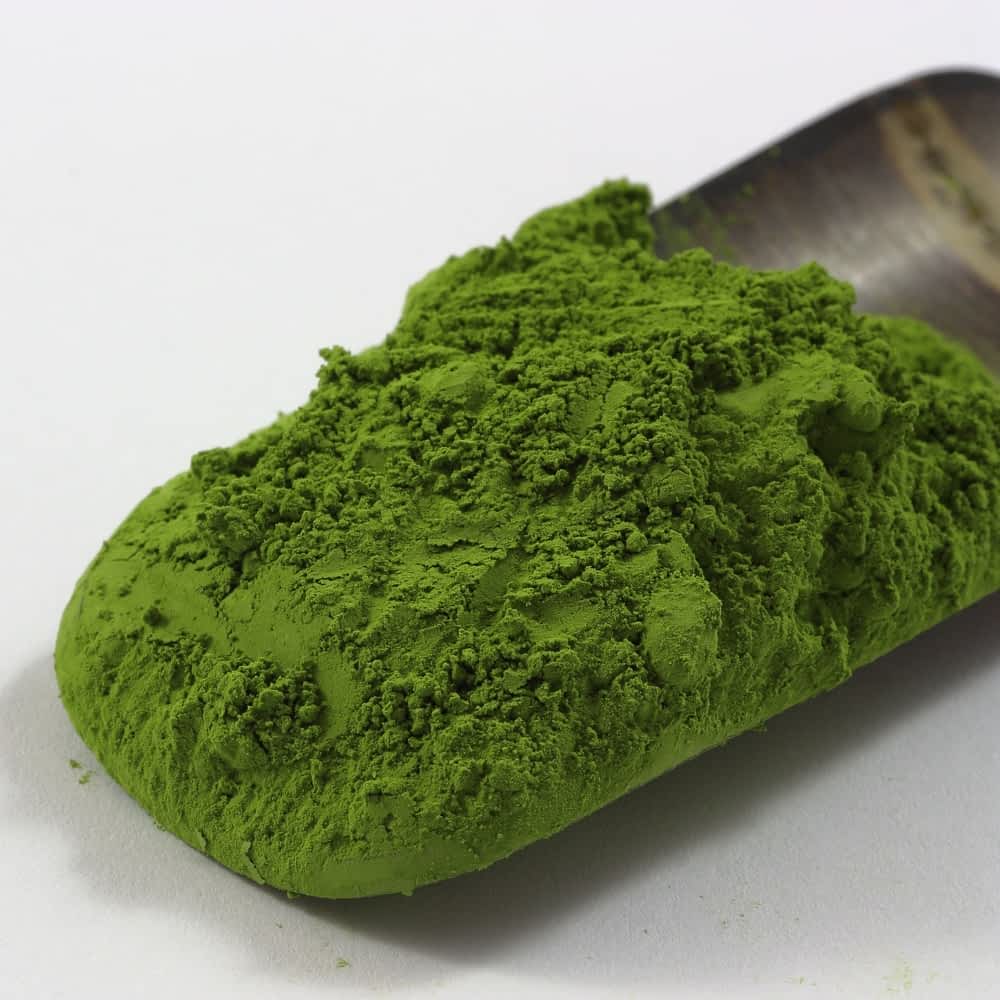

Matcha Uji Yabukita BIO is a first-harvest, single-cultivar Yabukita matcha from Wazuka, Kyoto Prefecture, selected for its full body, smooth creamy texture and pronounced marine umami.
Grown by a fifth-generation producer at one of Wazuka's pioneering organic matcha gardens, the tea is harvested exclusively in May, shaded for four weeks beneath a tana canopy, aged and stone-milled in Kyoto. Tea Repertoire has personally visited the garden and selected this matcha for the way it combines refinement, depth and everyday approachability.
Its sensory profile moves from spinach and fresh spring greens towards toasted chestnut and sweet cream, finishing with a long, clean marine impression. It is equally compelling as Usucha or with a restrained amount of milk in a refined Matcha Latte.
Best For
Our recommended introduction to Uji Matcha. Choose Uji Yabukita BIO when you want one versatile organic matcha that remains expressive with water and can also support a restrained amount of milk. Its pronounced marine umami, full body and low astringency make it approachable without reducing it to an entry-level matcha.
From the Tea Garden
Matcha Uji Yabukita BIO comes from Wazuka, an historic tea-producing town in southern Kyoto Prefecture and an important production area within the Uji tea tradition. The producer is a fifth-generation tea farmer whose garden has been among the pioneers of organic matcha cultivation in the region.
Tea Repertoire has personally visited the garden. We keep the producer's name and exact garden location private while sharing the cultivation and production details that directly help explain the tea itself.
Tea Repertoire Sensory Profile
Spring Greens · Toasted Chestnut · Marine Umami
Vibrant Green · Smooth · Creamy · Full-Bodied
The aroma opens with spinach, toasted chestnut and sweet cream. On the palate, fresh spring greens meet toasted chestnut before a pronounced marine umami becomes the dominant savoury impression.
The texture is smooth and creamy with a full body. Sweetness is moderate, bitterness is absent and astringency remains low, leading into a long, marine and clean finish.
Important: toasted chestnut describes a natural sensory impression of the matcha. It does not indicate that the tea has been roasted.
Why We Selected Matcha Uji Yabukita BIO
A Refined and Approachable Introduction to Uji Matcha
We selected this matcha because it offers a particularly useful combination of refinement and versatility. It has the clarity required for Usucha, yet its full body and creamy texture allow a small amount of milk without losing its individual character.
The tea comes from a fifth-generation producer at one of Wazuka's pioneering organic matcha gardens. Tea Repertoire has visited the garden personally, giving us direct knowledge of the place, producer and cultivation behind the tea.
What distinguishes the cup is its pronounced marine umami with no bitterness, low astringency and a long clean finish, supported by spring greens, toasted chestnut and sweet cream.
Wazuka & the Uji Tea Tradition
Why We Say “Uji Matcha from Wazuka, Kyoto”
Wazuka is a tea-producing town in southern Kyoto Prefecture rather than a district of Uji City. It has, however, been part of the wider Uji tea production tradition for centuries and remains an important tea-growing area in Kyoto.
For this product, the leaves are grown in Wazuka and the tea is processed, aged and stone-milled in Kyoto Prefecture. We therefore describe it as Uji Matcha from Wazuka, Kyoto rather than the geographically ambiguous “Wazuka, Uji, Kyoto.”
This distinction lets us communicate both the physical origin of the tea and the broader Uji tea designation accurately.
Origin & Craftsmanship
The character of Uji Yabukita BIO is described through the actual cultivation and finishing details of this product rather than through assumptions about cultivar, region or terroir.
100% Yabukita
This is a single-cultivar matcha made exclusively from Yabukita. The sensory profile described on this page comes from Tea Repertoire's tasting of this specific matcha rather than from generic assumptions about the cultivar.
May Ichibancha
All material comes from the first harvest in May. No later-harvest leaves are blended into this matcha.
Four Weeks of Tana Shading
The tea receives four weeks of canopy shading beneath a tana structure, with the same shading treatment applied to all material used for this product.
Aged & Stone-Milled in Kyoto
After processing, the tea is aged and then stone-milled in Kyoto Prefecture. We do not add unsupported processing details beyond the stages confirmed for this product.
Organic Matcha from a Fifth-Generation Wazuka Garden
Quality is communicated here through traceable product information: origin, harvest, four-week tana shading, organic certification, stone milling, sensory profile and intended preparation.
Preparation Recommendations
Usucha
- Sift 1.5–2 g of matcha into a chawan.
- Add 90 ml water at 80°C.
- Whisk briskly with a chasen until evenly dispersed with a fine foam.
- Drink immediately while the aroma and texture are at their most expressive.
Refined Matcha Latte
- Sift 2–2.5 g of matcha into a bowl.
- Add 150–200 ml water at 80°C and whisk until smooth.
- Add 50 ml warmed milk.
- Serve immediately, keeping the milk restrained so the marine umami and toasted-chestnut character remain clear.
Cold Matcha with Water
- Add 3 g of matcha to a bottle or mixing vessel.
- Add 250 ml cold water.
- Shake or mix thoroughly until evenly dispersed.
- Serve over ice.
Iced Matcha Latte
- Sift 2.5–3 g of matcha.
- Mix thoroughly with 100–150 ml cold water.
- Fill a glass with ice and add 50 ml milk.
- Pour the cold matcha over the milk and serve immediately.
Not recommended for Koicha or baking. Uji Yabukita BIO is selected for pure drinking, cold matcha and refined milk-based preparation. An everyday milk-forward latte is possible, but other Tea Repertoire matcha are more specifically selected for that purpose.
How Much Milk Should You Use?
Uji Yabukita BIO has enough body to work with milk, but its principal latte style is deliberately refined: a small amount of milk complements the creamy texture and toasted-chestnut note without masking its marine umami.
50 ml Milk
Use 50 ml milk for the refined Matcha Latte. This keeps the matcha itself at the centre of the drink and preserves its vegetal and marine character.
Choose a Different Matcha
If you normally prefer a more milk-forward everyday latte, consider a matcha selected specifically for that preparation rather than increasing the milk and concealing Uji Yabukita's finer sensory detail.
For a more milk-forward style, explore Matcha Evergreen BIO or Matcha Latte Supreme.
How Tea Repertoire Thinks About Matcha Quality
Choose Matcha by Preparation, Not by an Empty Grade
There is no single universal official Japanese grading system defining labels such as “ceremonial grade,” “premium grade” or “culinary grade.” Used alone, these expressions do not tell you enough about a matcha.
Tea Repertoire therefore explains matcha through origin, cultivar, harvest, shading, craftsmanship, sensory profile and intended preparation. Uji Yabukita BIO is recommended principally for Usucha, cold matcha and a refined Matcha Latte; it is not recommended for Koicha or baking.
The practical question is not simply “What grade is this matcha?” but “How do I want to prepare and drink it?”
Read the Matcha Grades & Quality Guide →Which Matcha Is Right for You?
Choose according to the preparation and sensory experience you want rather than assuming that one cultivar, region or price point is automatically superior.
Matcha Uji Yabukita BIO
Choose this matcha for pronounced marine umami, full body and a smooth creamy texture, especially when you want both excellent Usucha and a refined Matcha Latte.
100% Yabukita · Wazuka · JAS OrganicMatcha Uji Hana BIO
Uji Hana BIO offers another organic Uji matcha expression based on the Okumidori cultivar. Choose it when you want to explore a different cultivar within Tea Repertoire's Uji range.
Explore Matcha Uji Hana BIO →Matcha Evergreen BIO
Choose Evergreen BIO when your priority is a gentle, rounded organic matcha designed principally for an everyday Matcha Latte with more milk.
Explore Matcha Evergreen BIO →Matcha Latte Supreme
Choose Matcha Latte Supreme when milk-based preparation is the central goal and you want a matcha selected specifically to remain expressive in a fuller latte.
Explore Matcha Latte Supreme →Tea Repertoire principle: these products serve different preparations and sensory preferences. The comparison is intended to help you choose rather than create a simplistic good-better-best hierarchy.
Continue Your Matcha Journey
Tea Repertoire Academy brings together practical guides on matcha quality, preparation and sensory appreciation.
Matcha Grades & Quality Guide
Understand matcha quality terminology and why preparation is a more useful way to choose matcha.
Read the Guide →The Ultimate Guide to Matcha
Explore matcha cultivation, processing, preparation, tools and the wider tradition of Japanese powdered green tea.
Explore the Ultimate Guide to Matcha →The Ultimate Matcha Latte Guide
Learn how matcha choice, water, milk and ratios change the balance of a Matcha Latte.
Explore the Matcha Latte Guide →Complete Your Matcha Ritual
The right tools make matcha easier to prepare and help create a smooth, even texture whether you drink Uji Yabukita BIO as Usucha or use it as the base of a refined Matcha Latte.
Bamboo Whisk · Chasen
A traditional bamboo whisk helps disperse matcha evenly and create the fine foam suited to Usucha.
Explore the Bamboo Whisk →Matcha Bowl · Chawan
A sufficiently wide bowl gives the chasen the space needed to whisk comfortably and evenly.
Explore Matcha Bowls →Bamboo Scoop · Chashaku
A traditional bamboo scoop is useful for measuring and handling matcha before sifting and whisking.
Explore the Bamboo Scoop →Storage
Keep Matcha Uji Yabukita BIO tightly sealed and protected from heat, light, moisture and strong odours. After opening, store it in a cool environment and use it while its aroma, colour and flavour remain at their freshest. Allow refrigerated matcha to return towards room temperature before opening the package to reduce the risk of condensation reaching the powder.
Frequently Asked Questions
Find quick answers about Matcha Uji Yabukita BIO, its Wazuka origin, flavour and recommended preparation.
What is Uji Matcha?
Uji Matcha refers to matcha within the wider Uji tea tradition of Kyoto and its recognised production area. For this product, the tea is grown in Wazuka and processed, aged and stone-milled in Kyoto Prefecture.
Is Matcha Uji Yabukita BIO grown in Uji City?
No. It is physically grown in Wazuka, Kyoto Prefecture. Wazuka is an historic tea-producing town within the wider Uji tea tradition, which is why we describe the product as Uji Matcha from Wazuka, Kyoto rather than “Wazuka, Uji, Kyoto.”
What does Matcha Uji Yabukita BIO taste like?
It combines spring greens and spinach with toasted chestnut and sweet cream, followed by pronounced marine umami. The texture is smooth and creamy with a full body, no bitterness, low astringency and a long, clean marine finish.
Is Matcha Uji Yabukita BIO suitable for Usucha?
Yes. Usucha is one of our principal recommendations for this matcha. Use 1.5–2 g matcha with 90 ml water at 80°C.
Can I make a Matcha Latte with Uji Yabukita BIO?
Yes. We particularly recommend a refined Matcha Latte using 2–2.5 g matcha, 150–200 ml water at 80°C and 50 ml milk. The restrained milk quantity keeps the tea's marine umami and toasted-chestnut character perceptible.
Is Matcha Uji Yabukita BIO JAS Organic?
Yes. The product is JAS Organic certified and pesticide-free.
Is Matcha Uji Yabukita BIO ceremonial grade?
Tea Repertoire does not rely on “ceremonial grade” as a universal quality classification because there is no single official Japanese grading system that defines the term consistently. Instead, we explain this matcha through its origin, cultivar, first harvest, four-week tana shading, craftsmanship, sensory profile and preparation suitability. It is highly recommended for Usucha, but not for Koicha.